Greetings from Silverton,
On May 14 and 15 we visited CODOS sites at Hoosier Pass, Loveland Pass, Berthoud Pass, Willow Creek Pass, and Rabbit Ears Pass to assess current conditions. We observed nothing unexpected, events have been transpiring as we have reported, informed by our visits in March, April, and unfolding weather conditions. Mainly, dust conditions have been solidly in the "Average" category statewide essentially since D5 occurred on April 12, and in the Southern Basins since late March/early April when D3/D4 occurred. Within this "Average" categorization, conditions are largely consistent in severity at the Front Range and Northern CODOS sites, and also as observed at high elevations. Higher elevations show pronounced dust coverage mostly on lee aspects and areas where the wind would be expected to subside and allow the dust to be deposited.
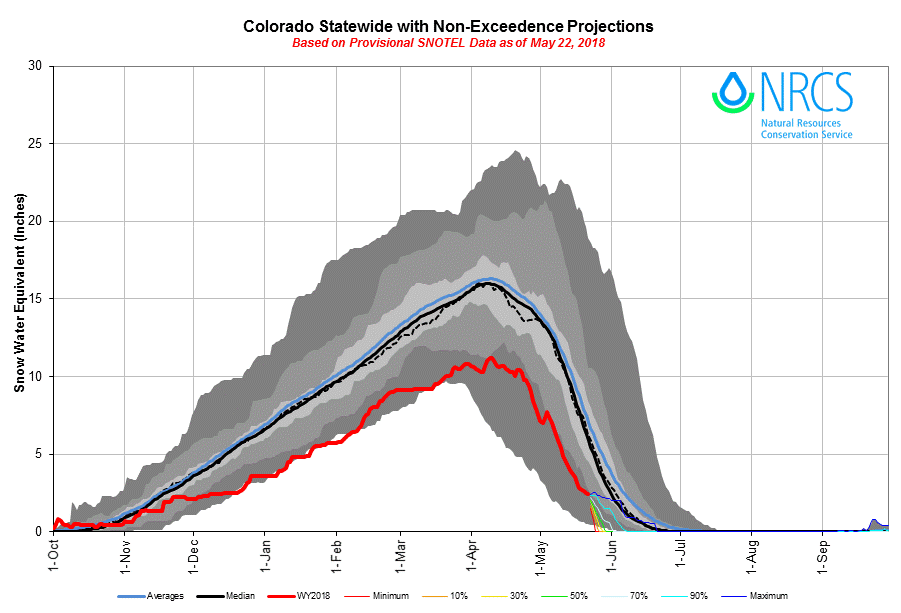
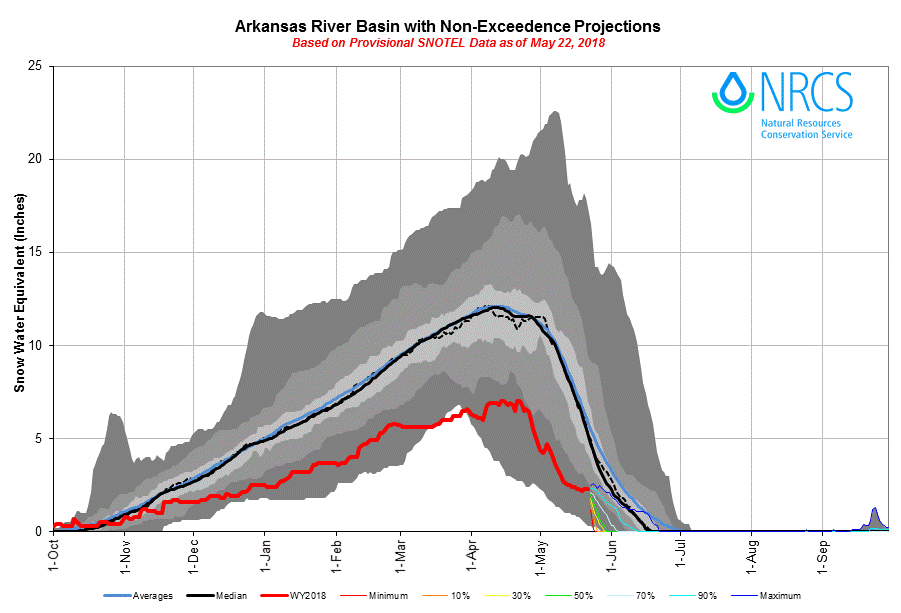
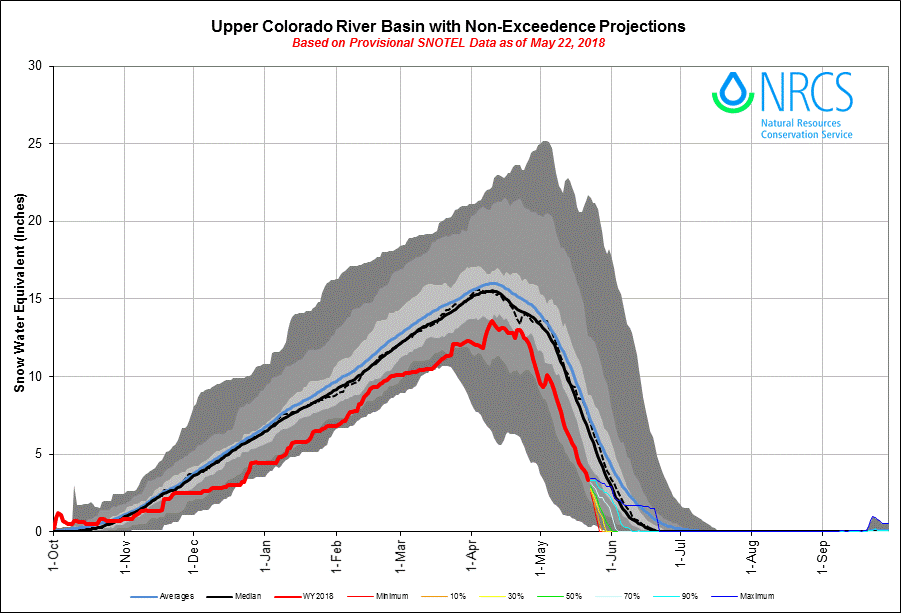
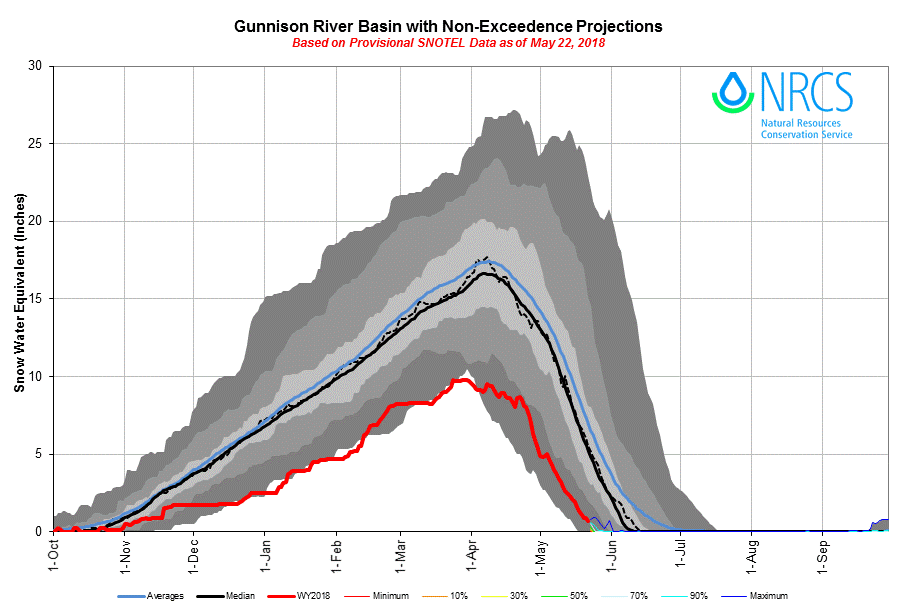
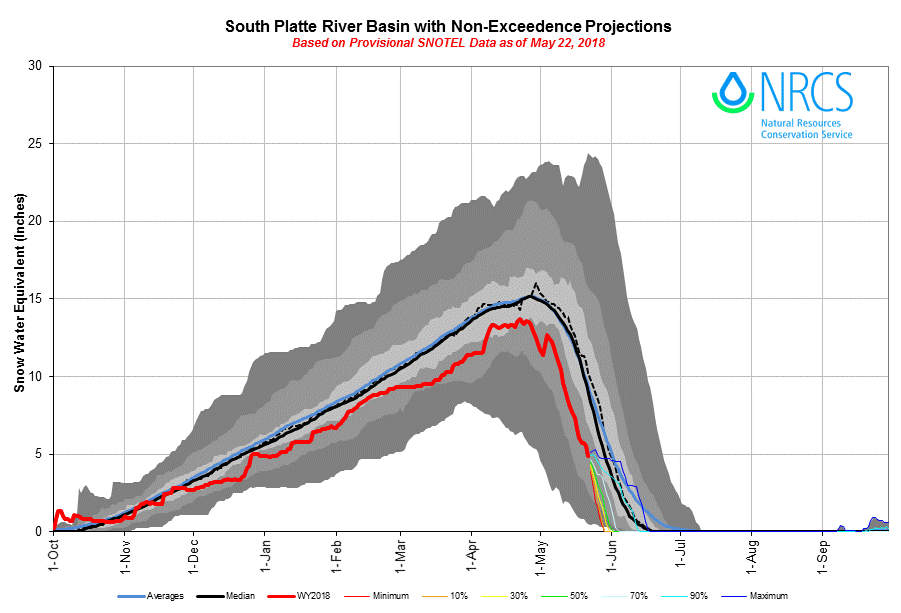
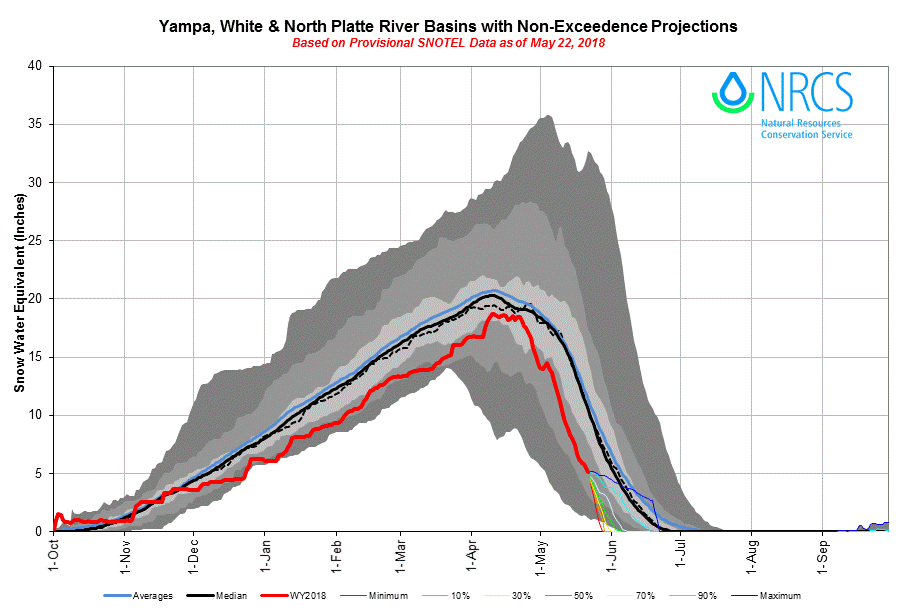
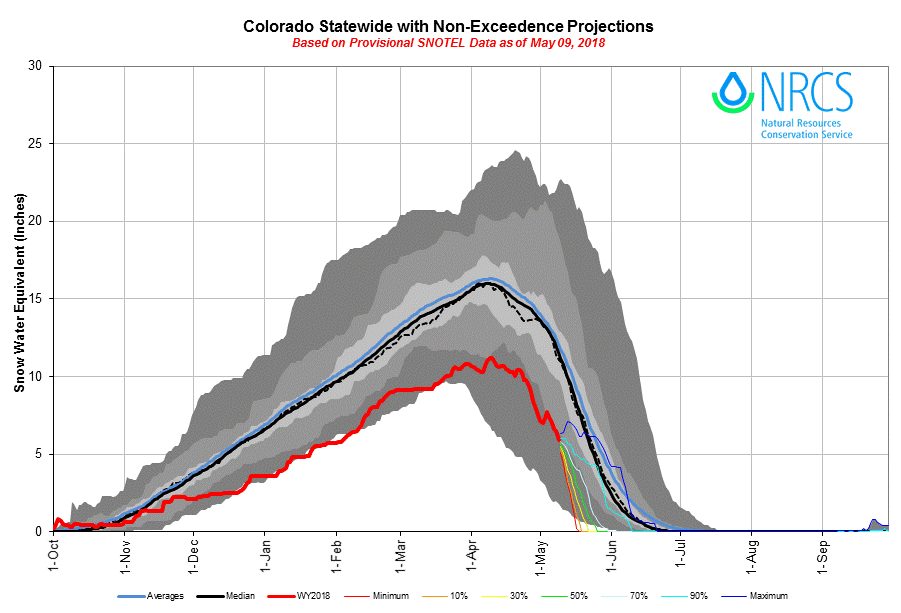
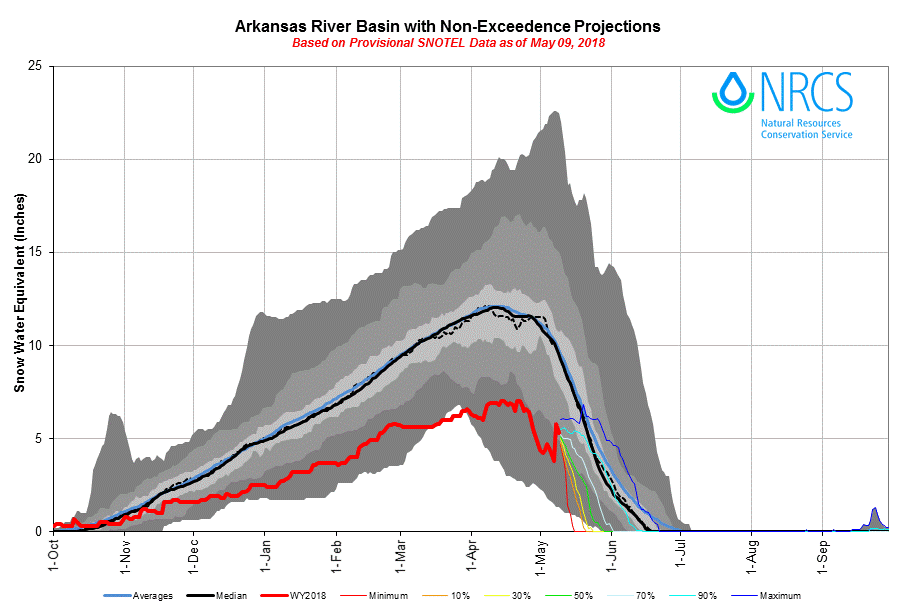
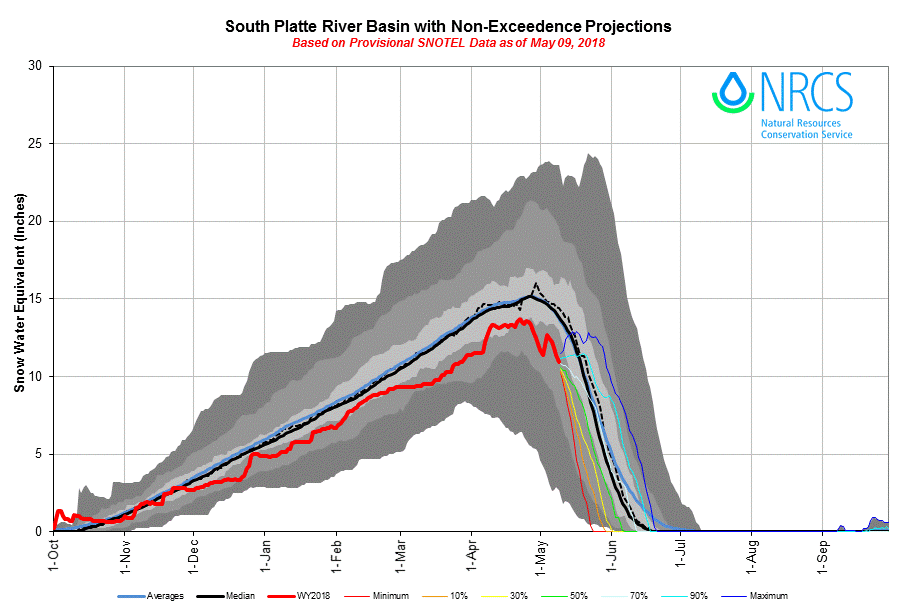
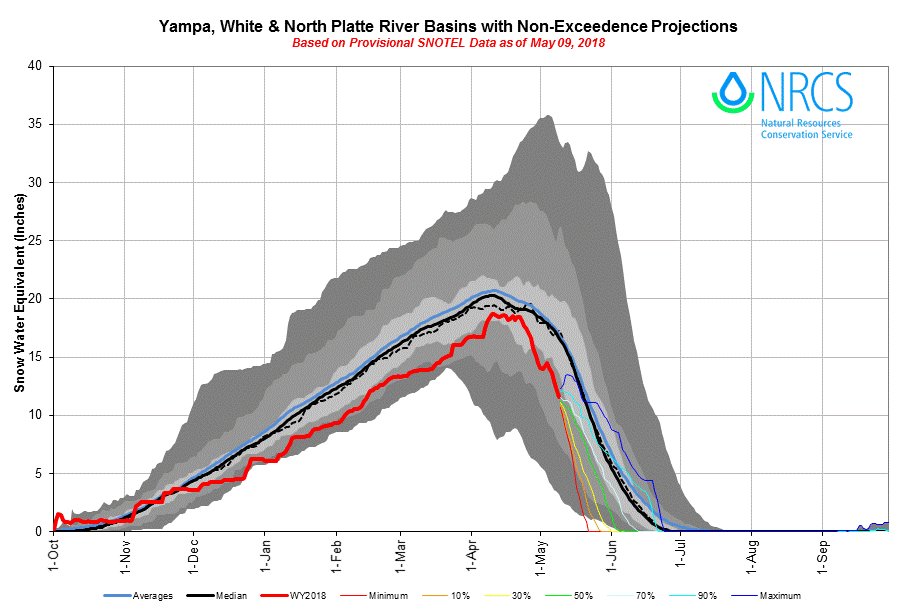
Spring weather occurring after April 1 added a nice boost to Central and Northern Colorado Basins resulting in peak SWE occurring well into April, but the Gunnison and Southern Basins largely missed out on these events and saw peak SWE occurring very near April 1. The Central and Northern Basins benefited not only from the additional precipitation but accompanying short-term albedo resets. Nonetheless the below average snowpack, dust conditions, and lack of notable spring storms mean Northern and Central Basins are on track to see SNOTEL melt out 2 - 3 weeks early than usual.
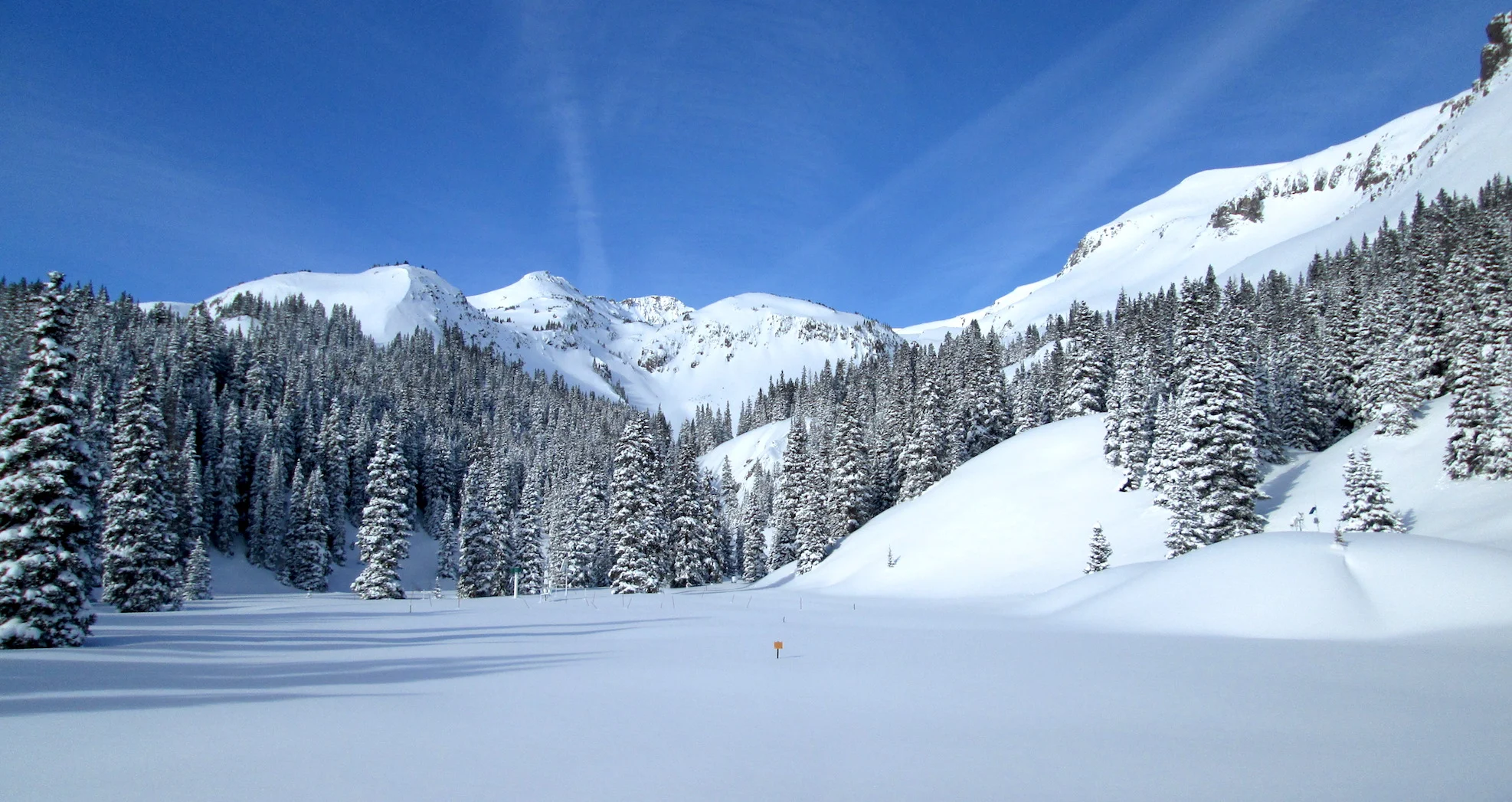
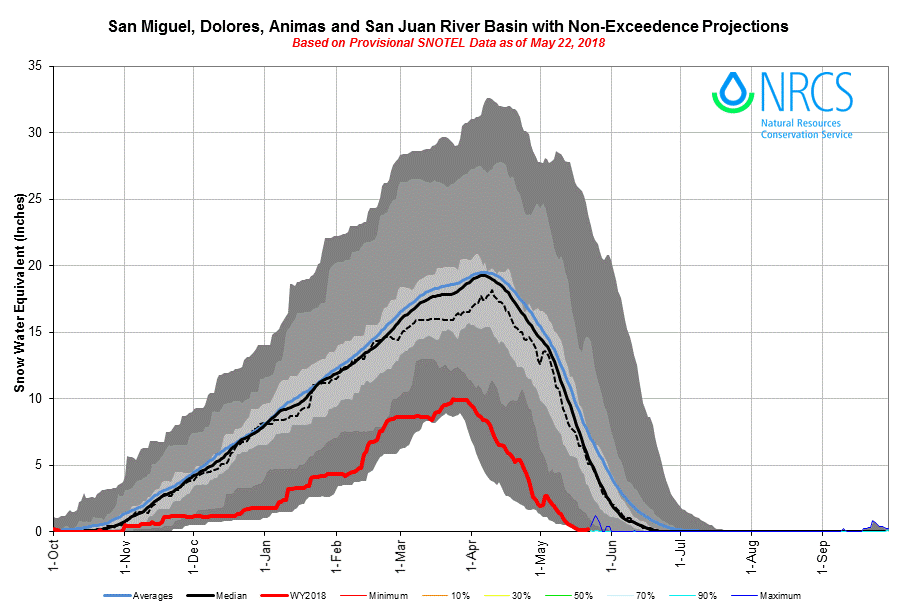
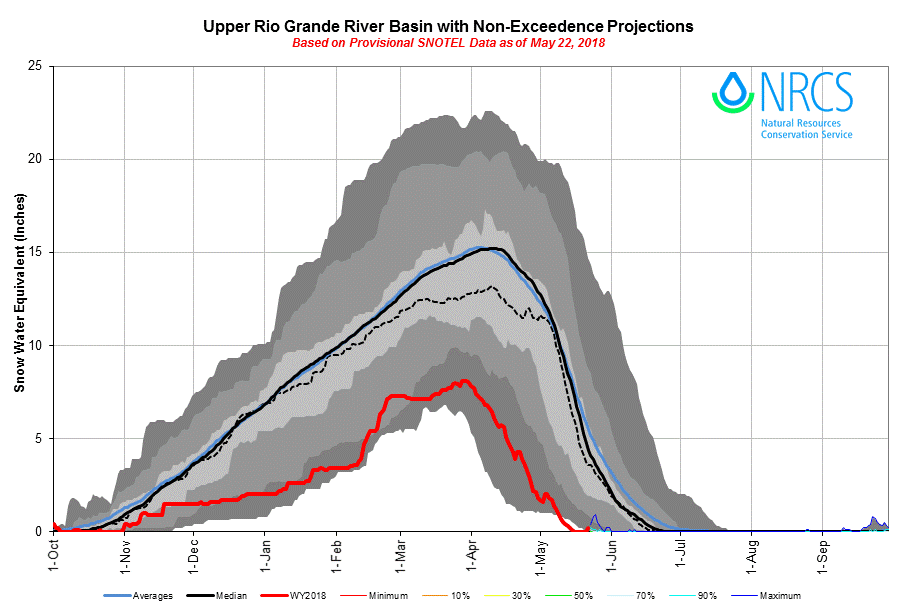
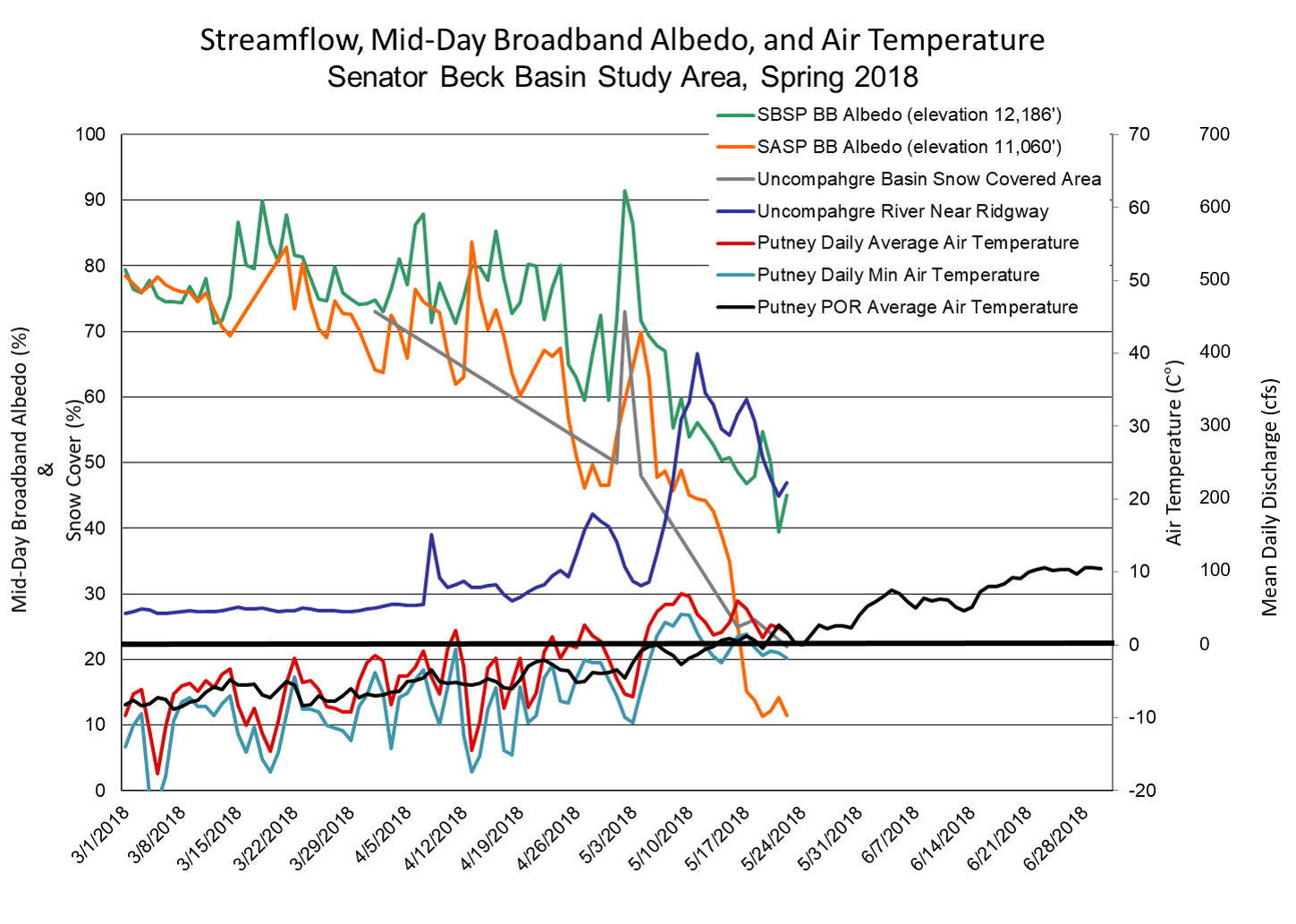
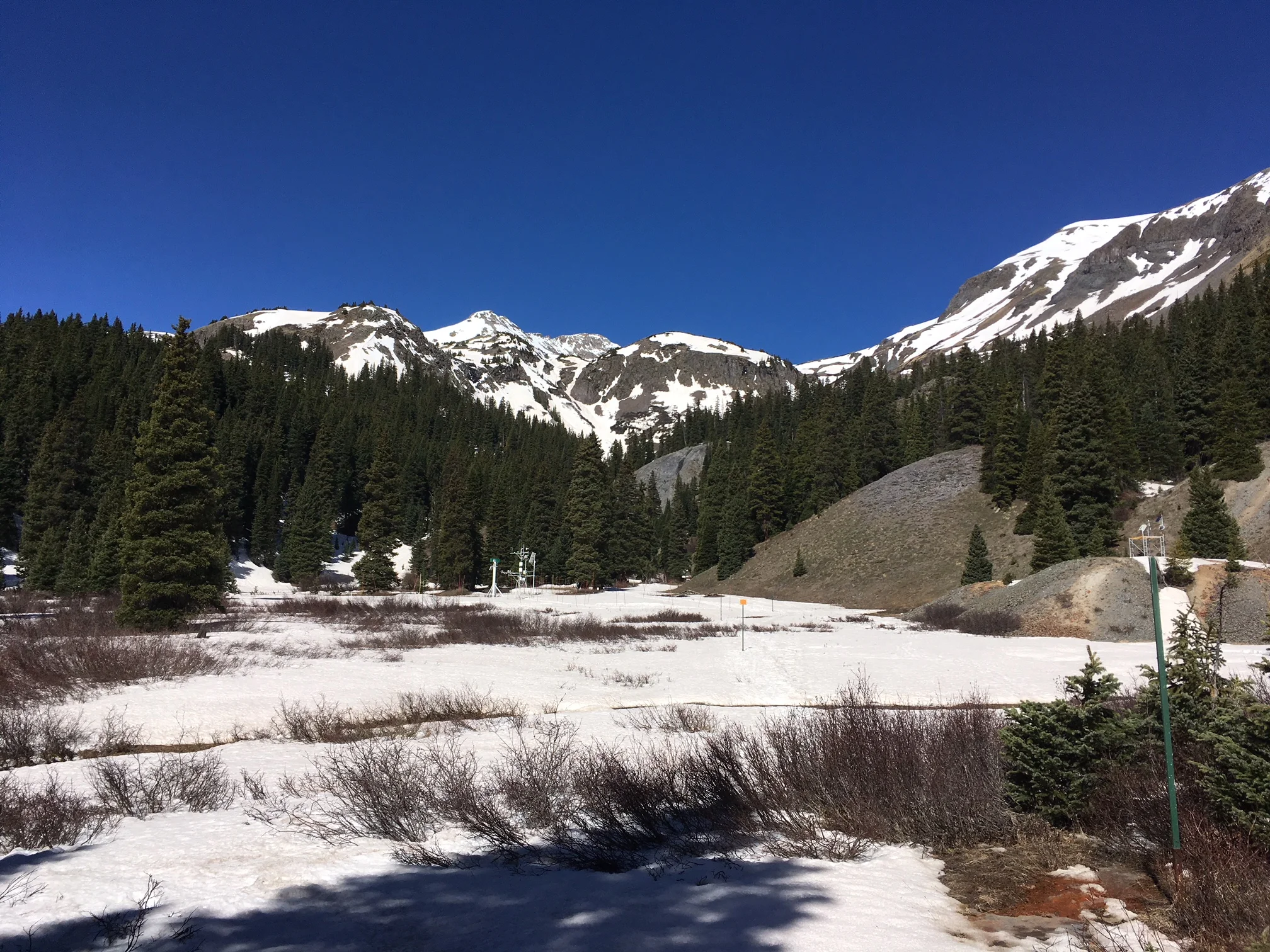
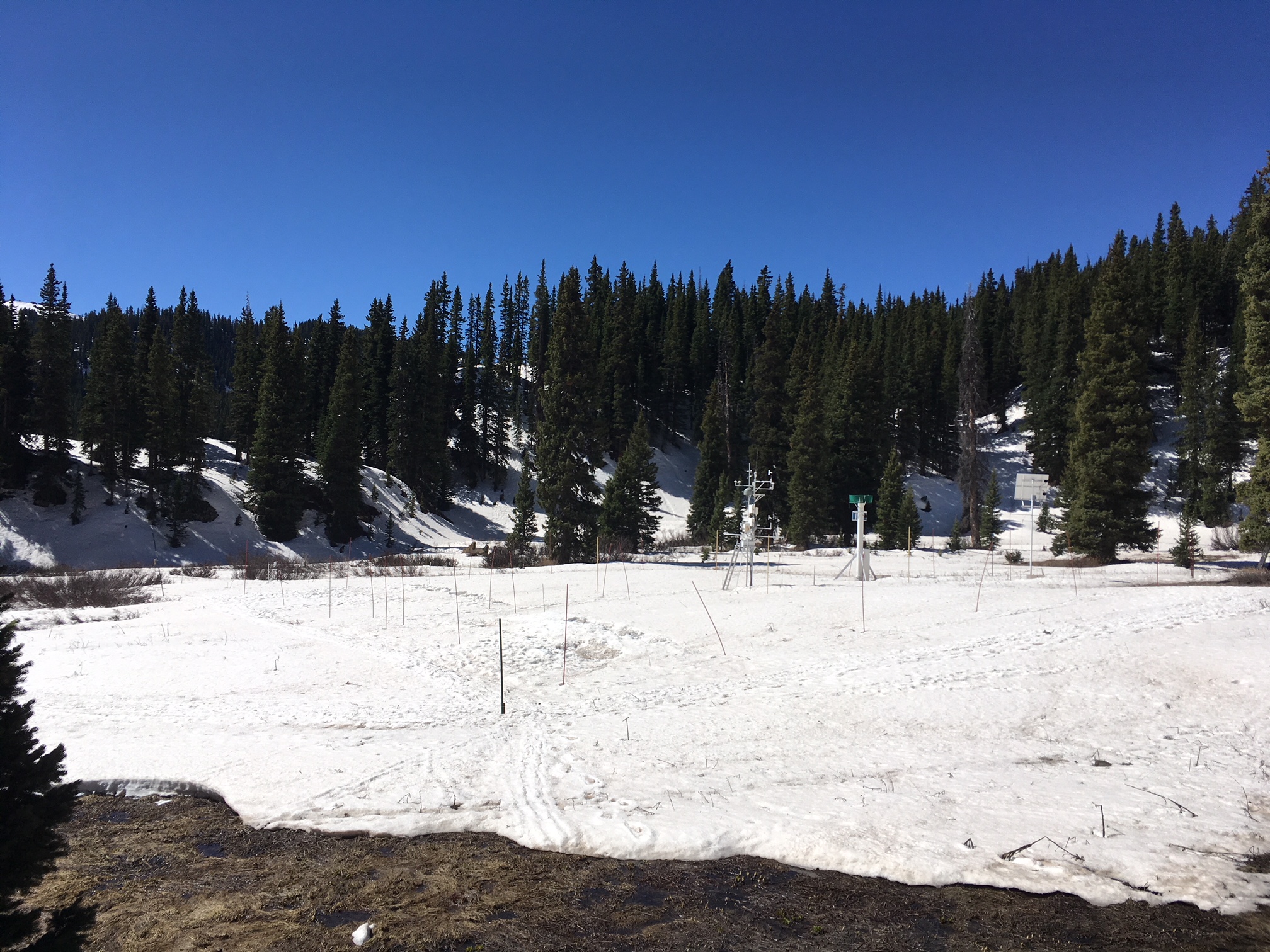
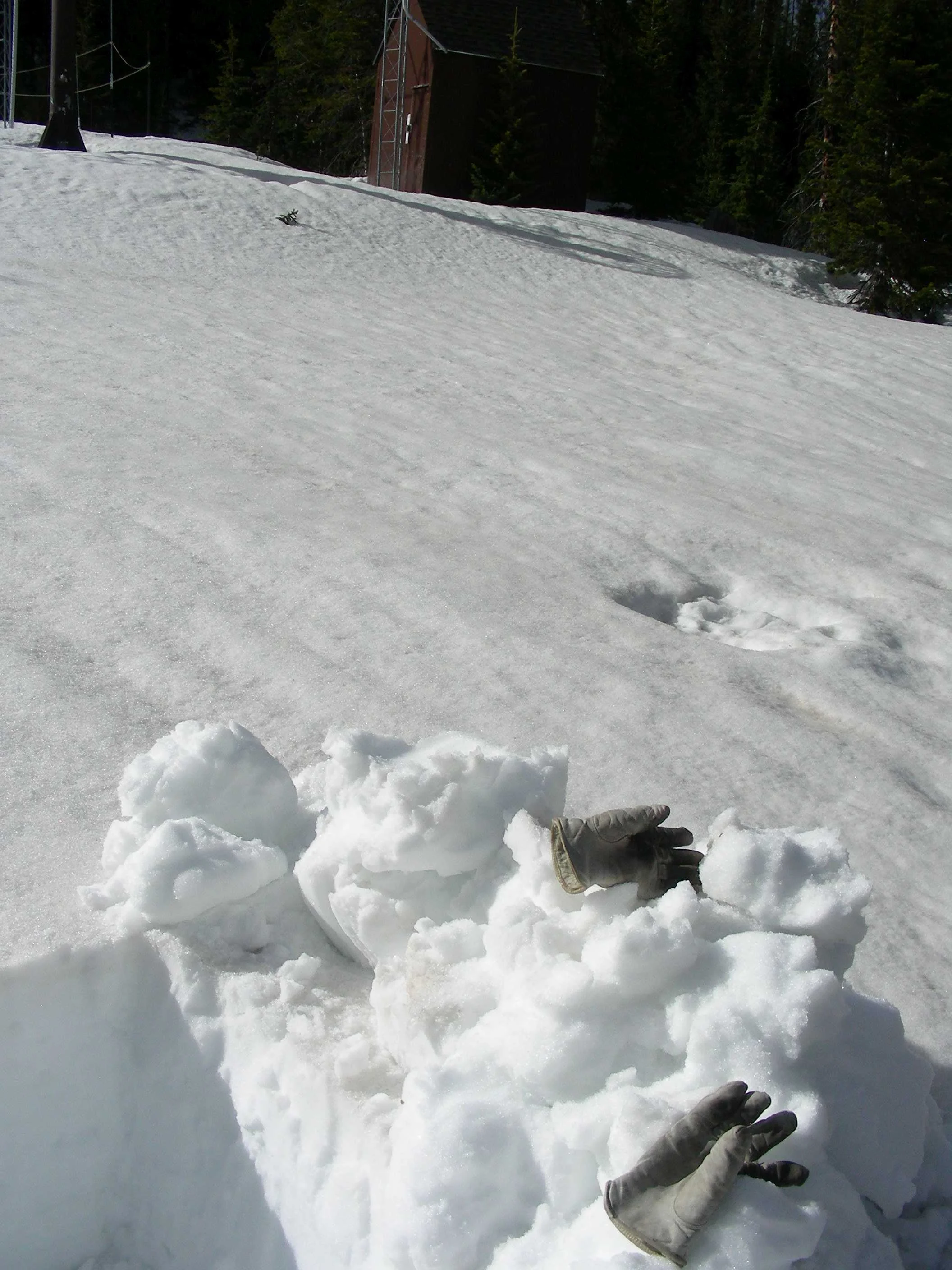
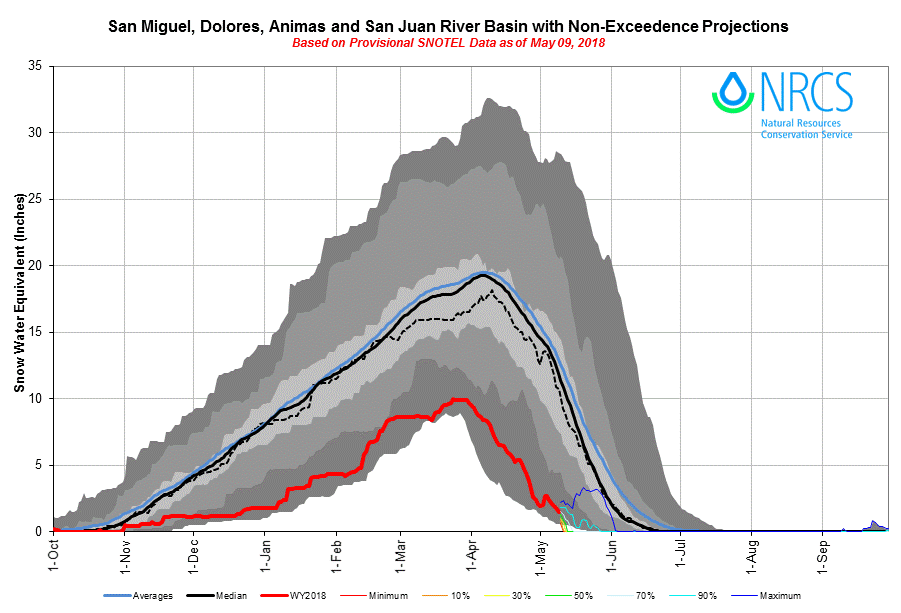
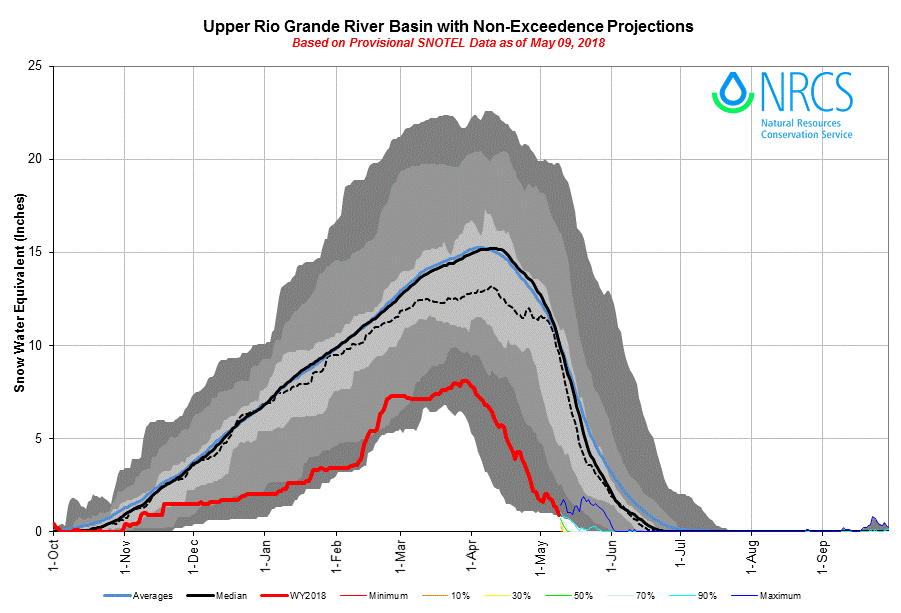
On May 15 we also made our usual observations at Swamp Angel Study Plot. The snow depth sensor reports no snow as of May 16 at 1 pm. As of May 14, snow profiles still show about 15" snow depth and 5.5" of SWE. It has been an amazing, massive melt period in the San Juans since our last storm occurring May 1 -2 (we have not received precipitation at Senator Beck since May 2). From May 8 - May 14, we lost 7.5" of SWE, that is over 1" SWE a day. SNOTEL stations in the Animas/San Juan/Dolores/San Miguel are within a day or two of reporting snow-all-gone, at least 21 days earlier than the median date. In the Rio Grande, Wolf Creek SNOTEL in a 10 day period (May 3 - May 12) lost 12.3" of SWE, that is 1.23" SWE/day. SNOTEL stations in the Rio Grande are showing snow-all-gone as of a few days ago, 41 days earlier than the median date.
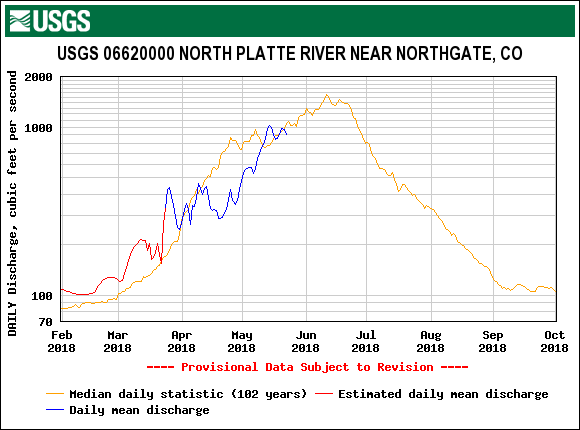
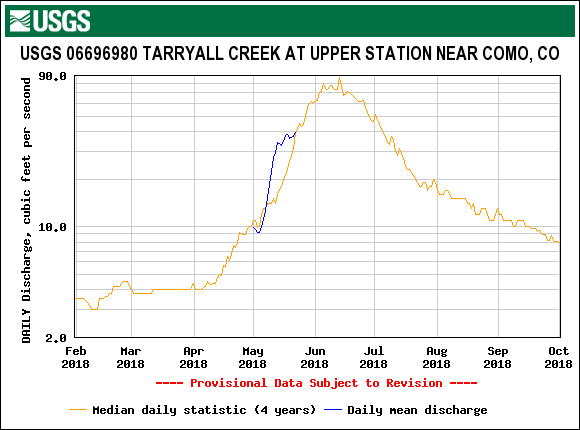
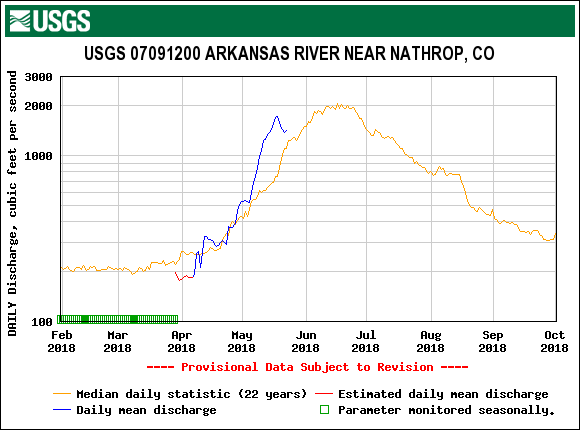
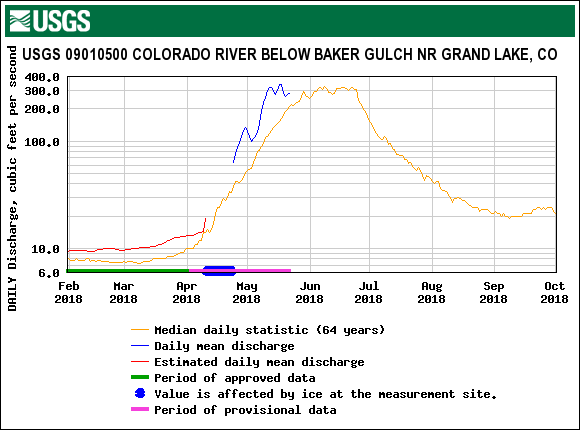
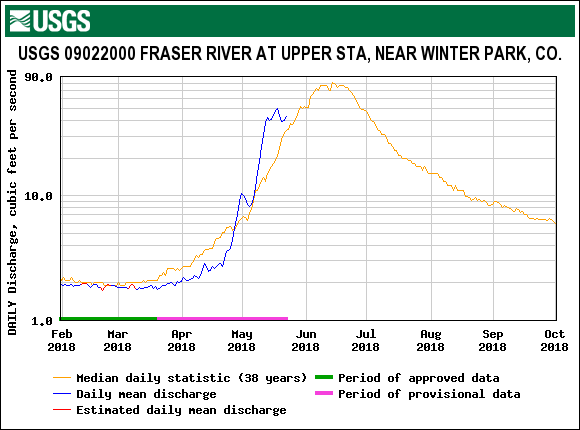
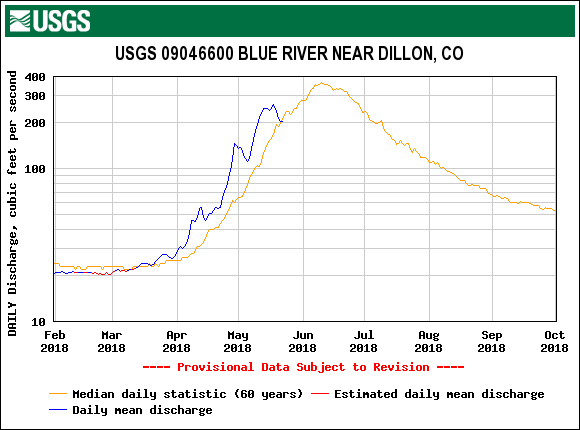
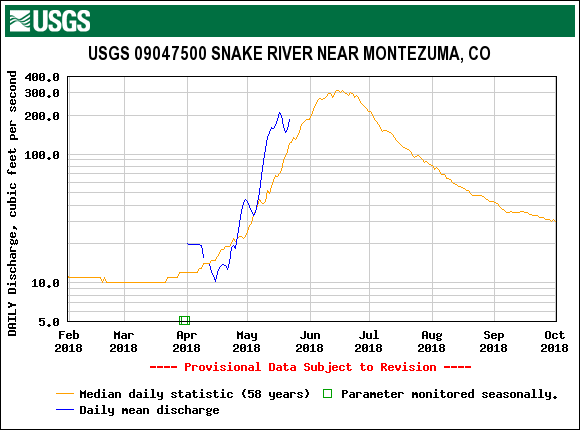
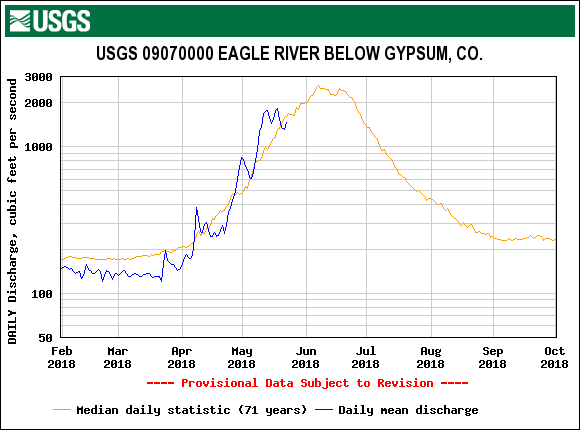
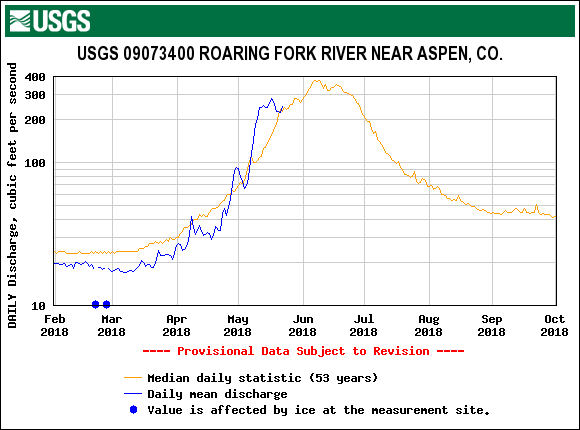
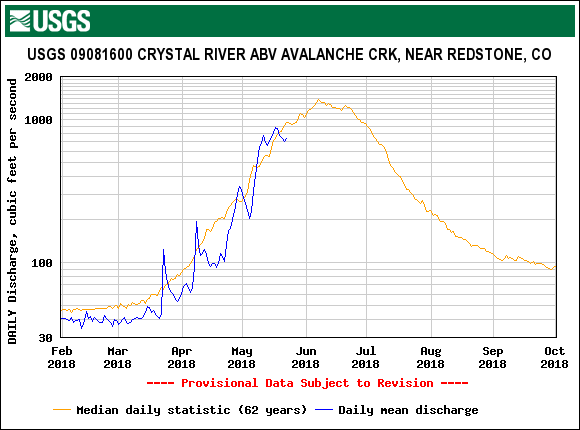
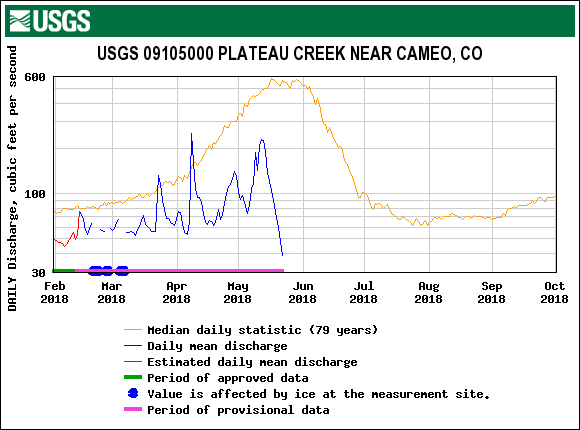
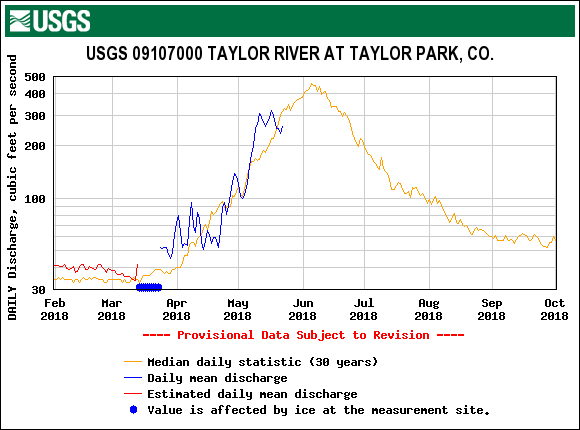
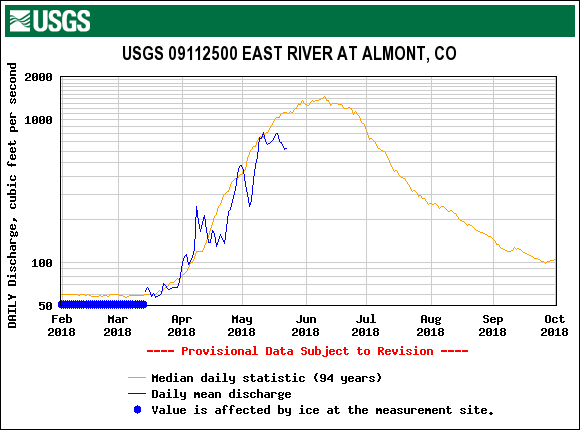
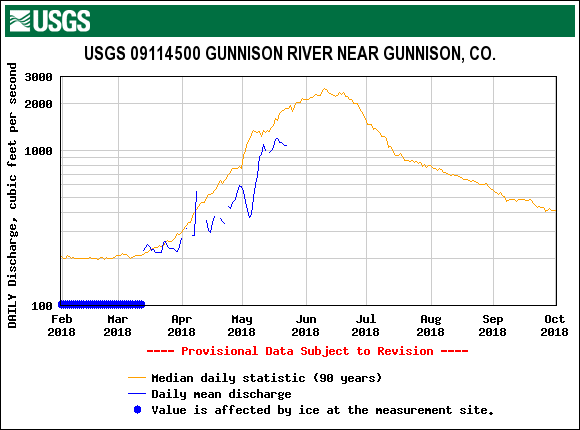
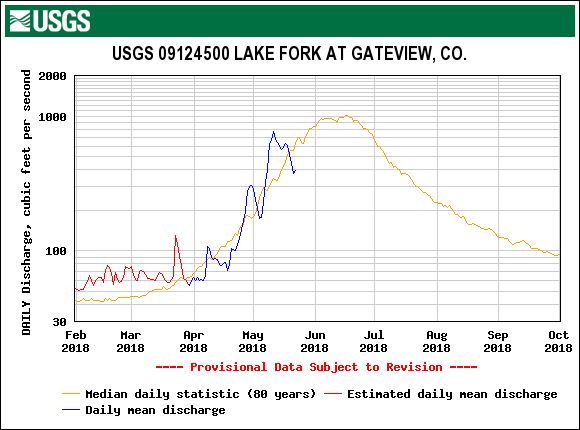
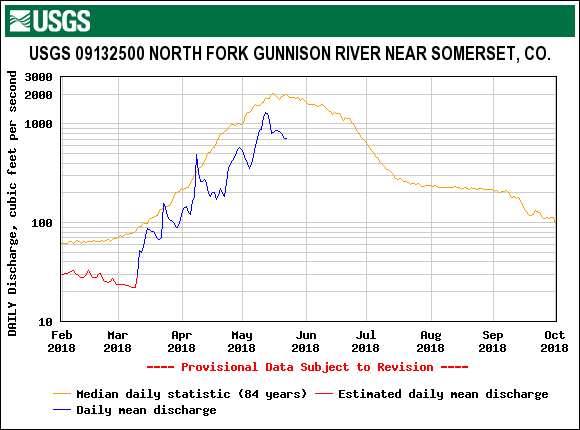
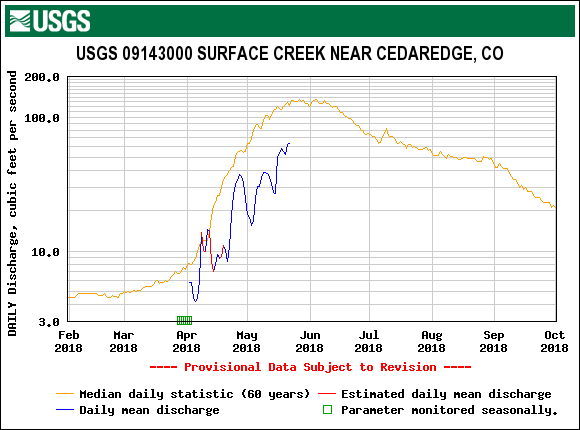
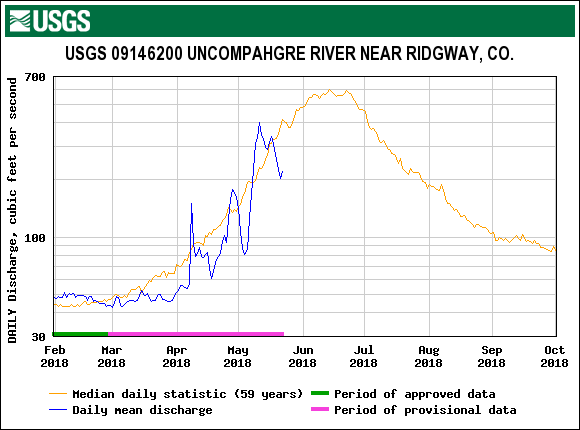
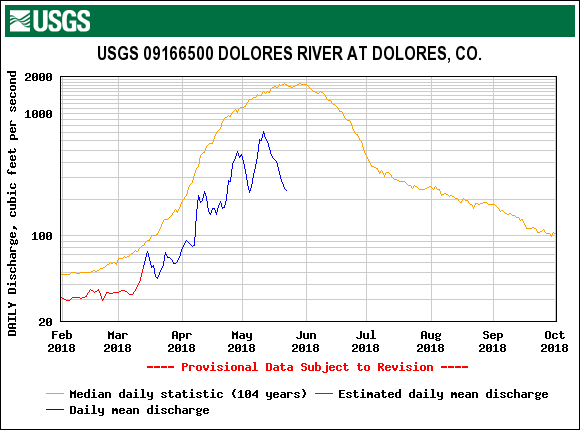
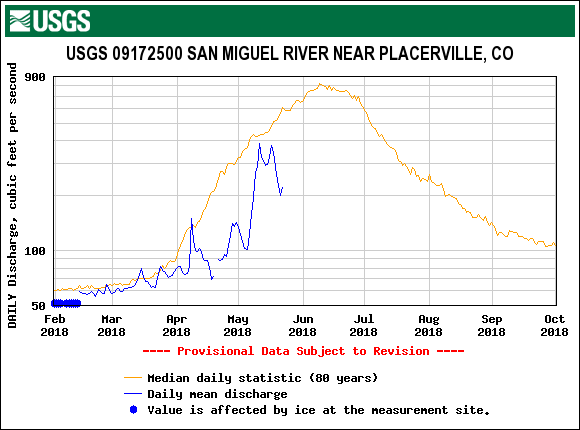
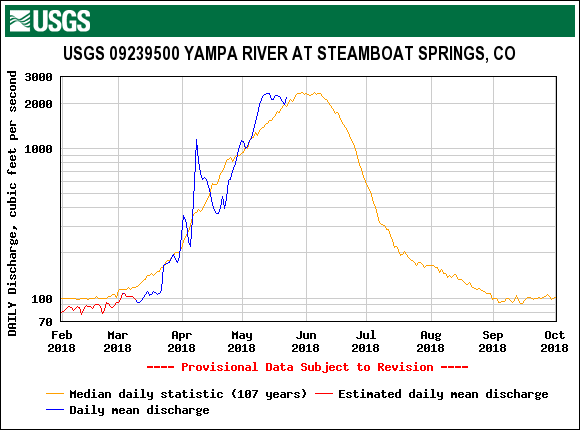
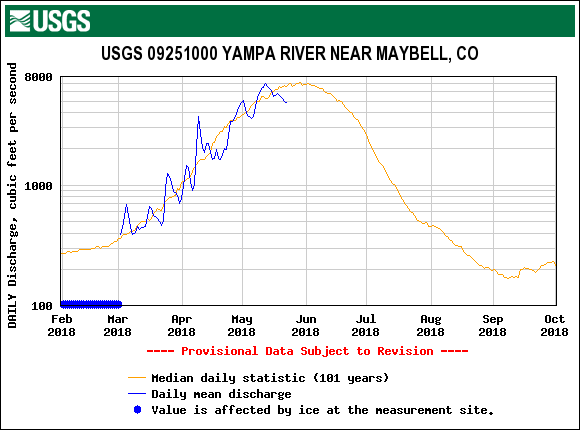
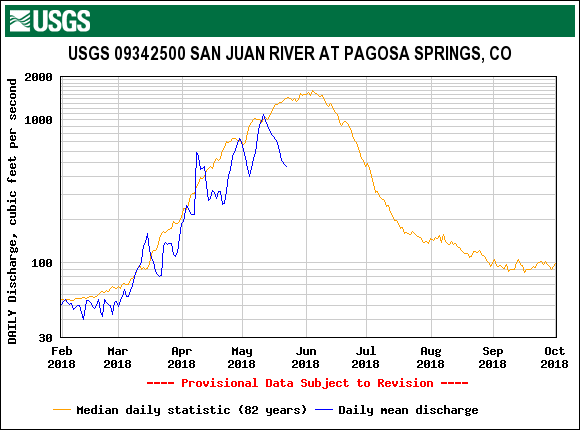
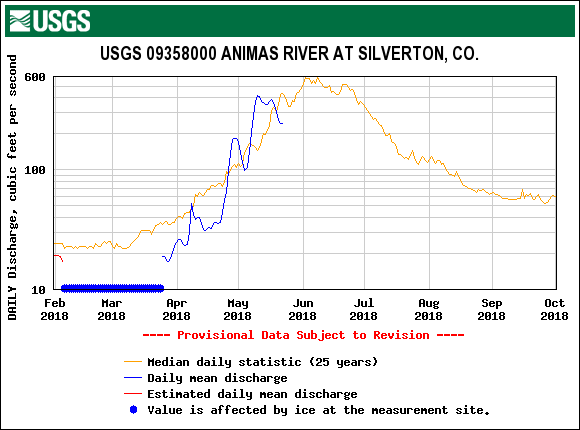
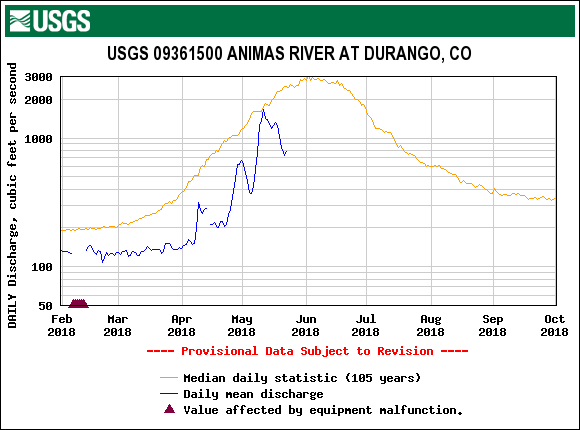
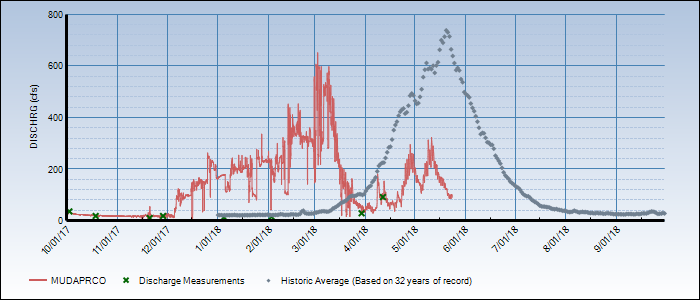
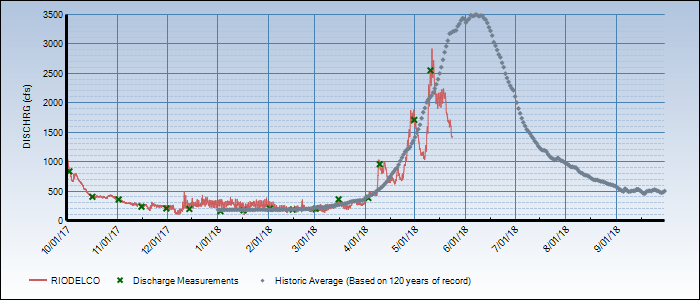
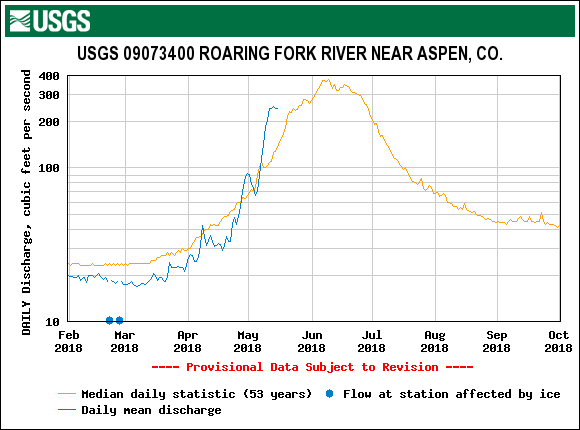
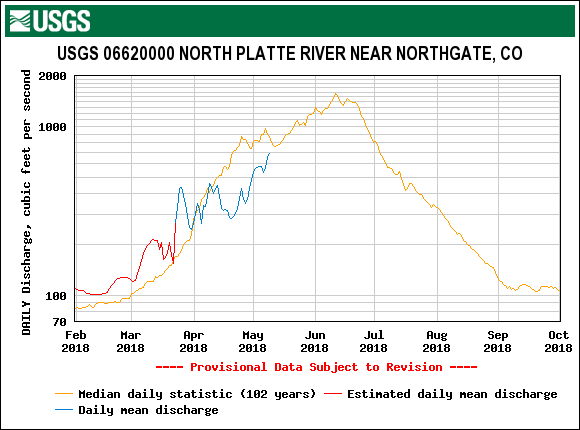
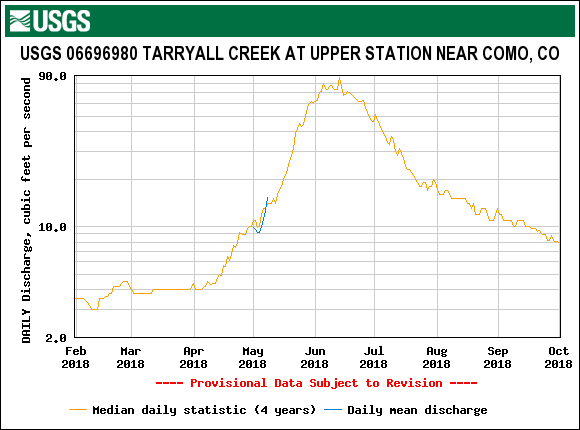
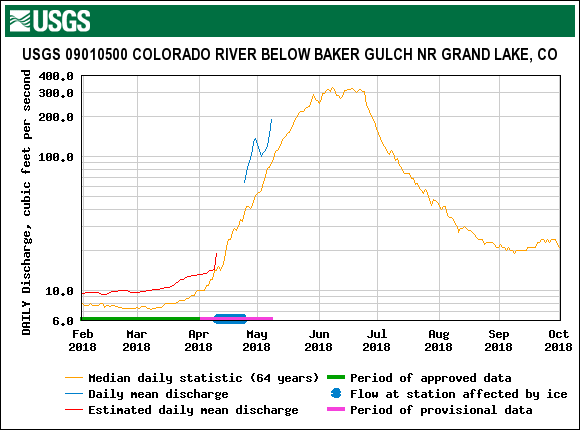
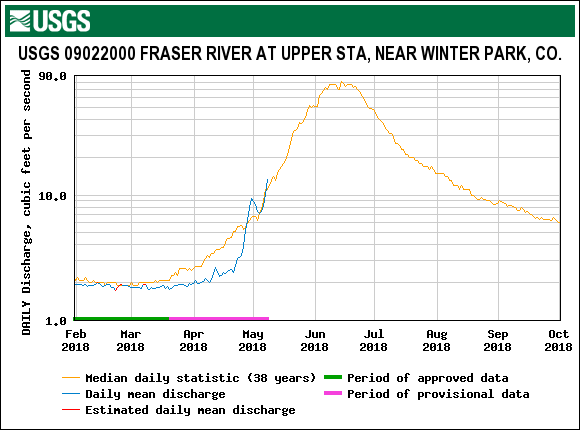
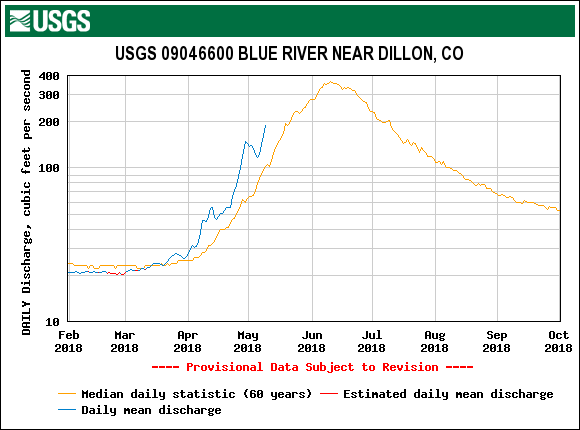
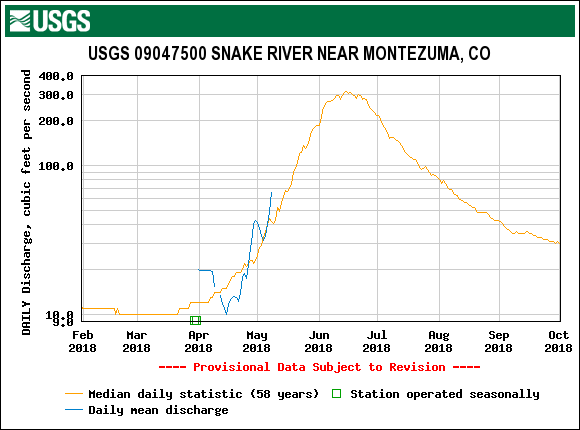
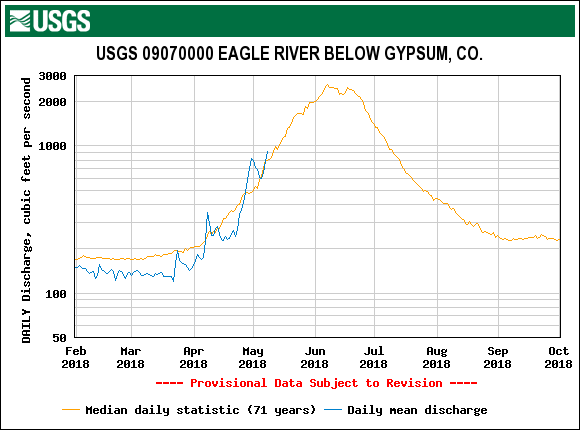
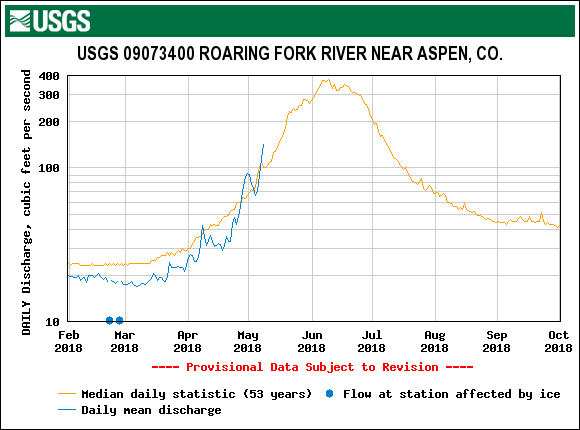
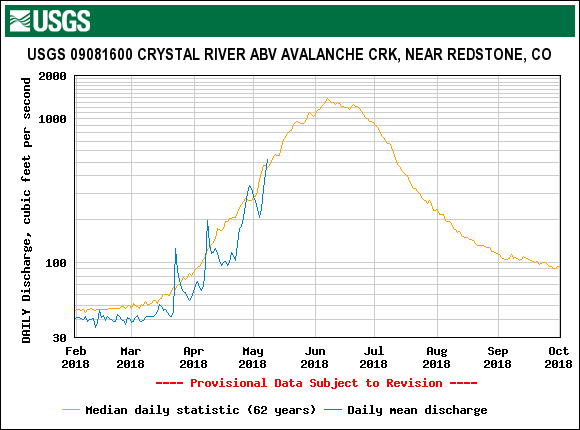
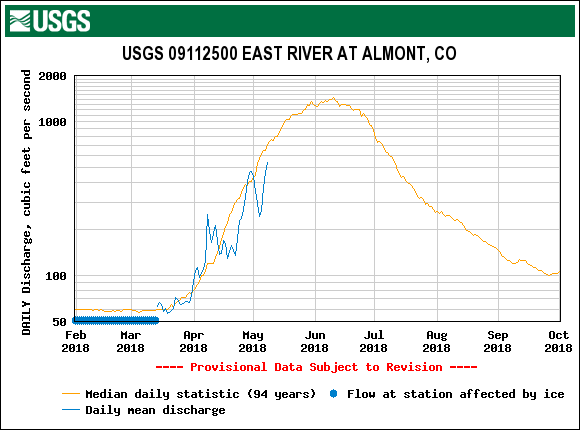
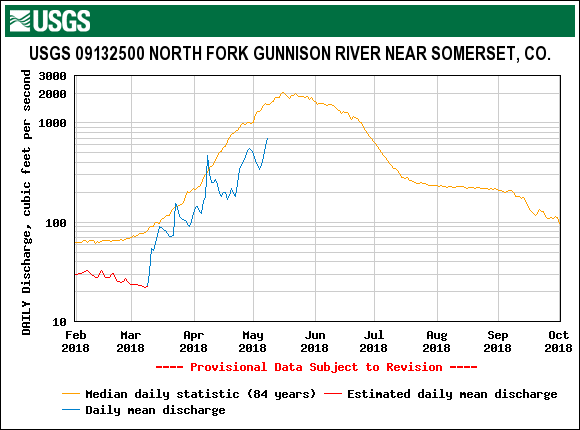
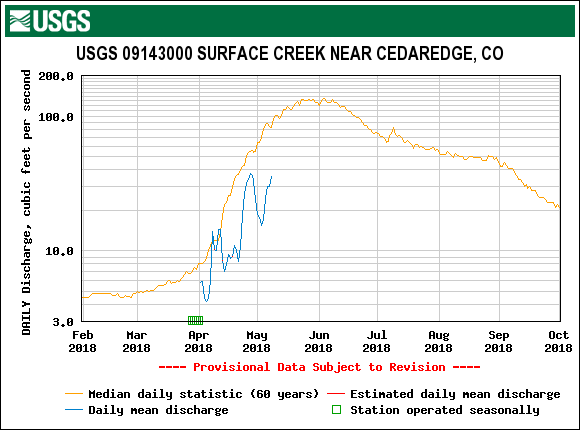
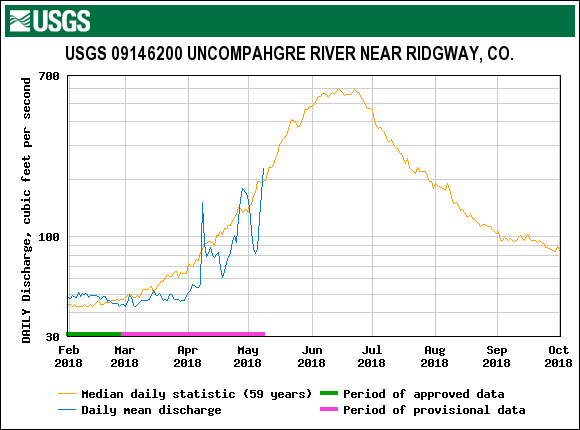
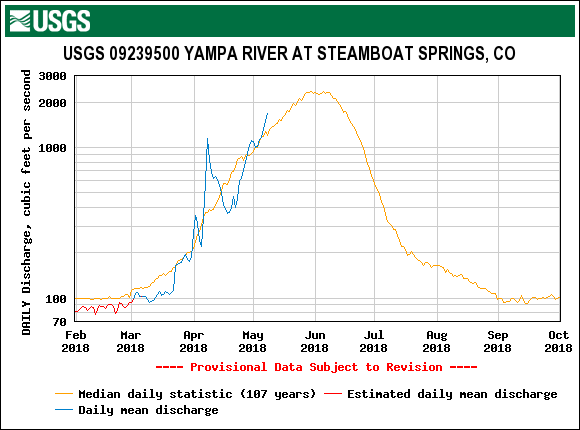
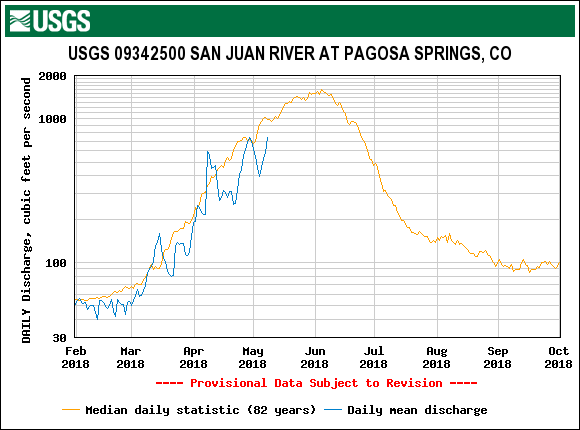
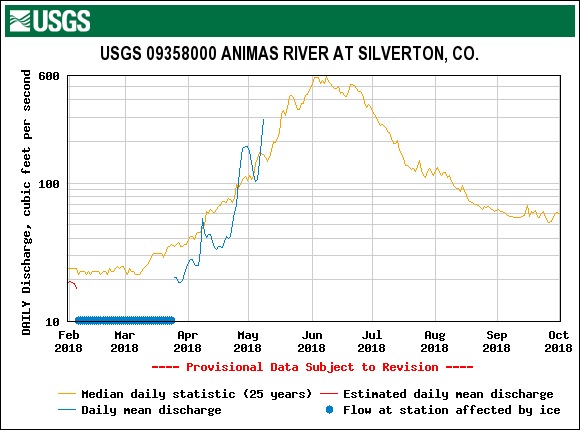
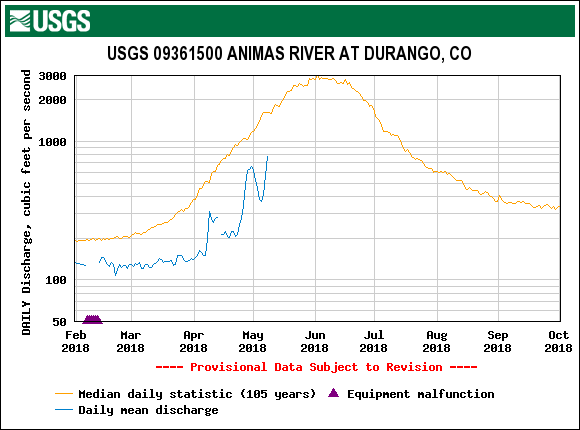
Streamflows have kept up a steep rising limb across the state, most notably in the Southern Basins, in response to the rapid snowmelt. This has tapered off in the last couple days with cloud cover and a depleting snowpack in general is manifested. There is still snow in the San Juans to be melted (please see pictures below), the location of which is creeping up in elevation plus some northerly aspects. I plan to report more on this in a future Update (it was already introduced in the March 9 Update), but generally within a few days, when snow is gone from SASP is when 50% of cumulative streamflow from March 1 - June 30 has passed through the Senator Beck stream gauge. And we are very near that point when snow is considered gone at SASP.
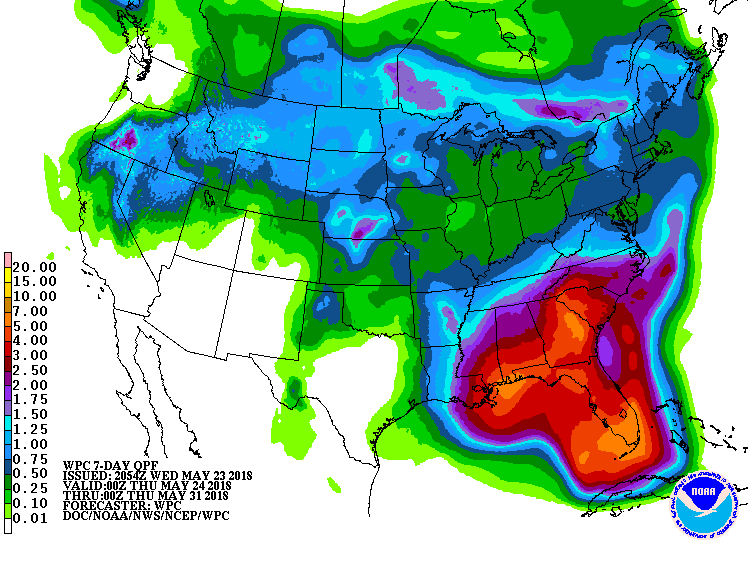
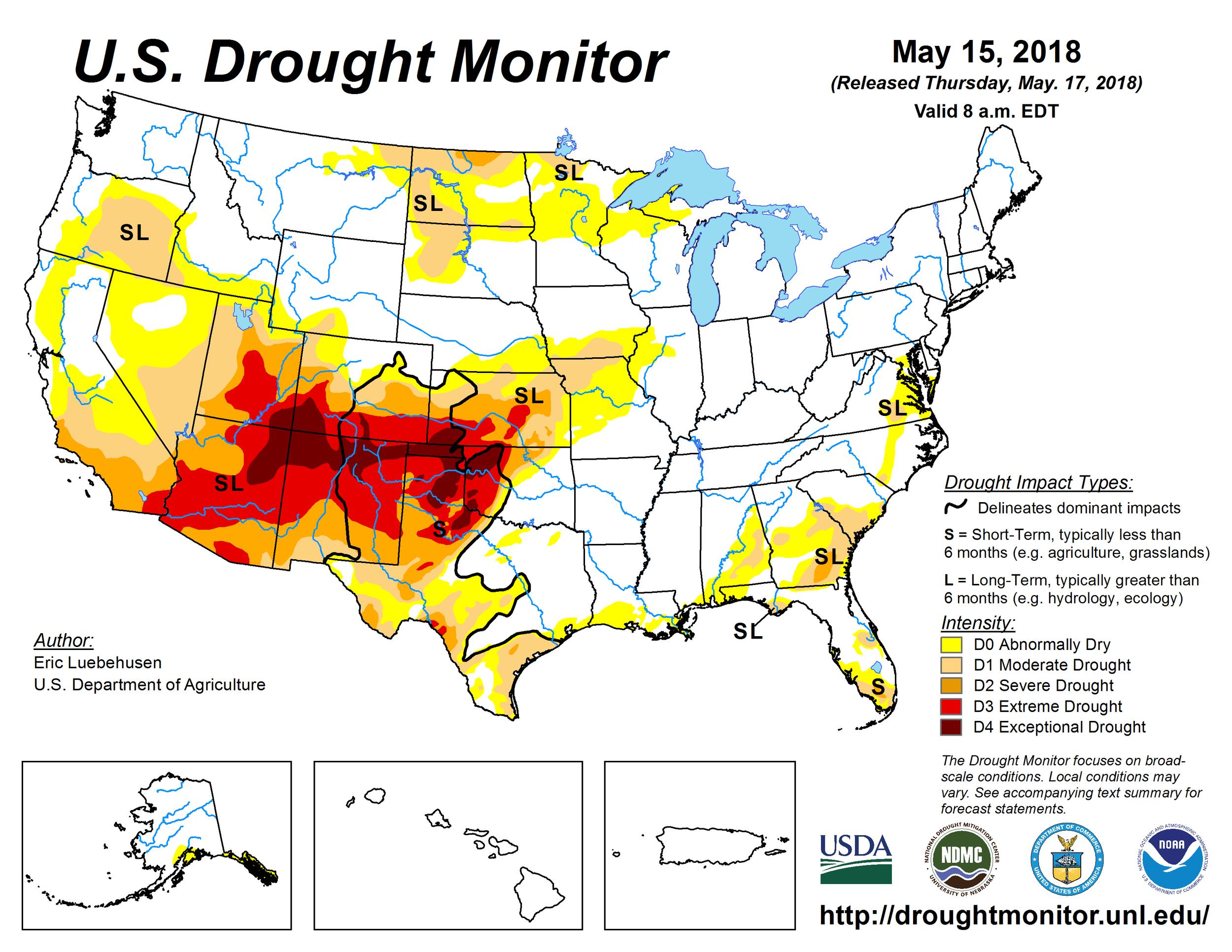
Please see plots, pictures, and more comments/observations below.
Swamp Angel Study Plot: May 15, 2018